


Sangroove (Jiangsu) Machinery Co., Ltd. is one of the most reliable manufacturers and suppliers of automotive differential housing in China. If you're going to wholesale cheap automotive differential housing made in China, welcome to get pricelist from our factory. All customized products are with high quality and low price.
Product Overview
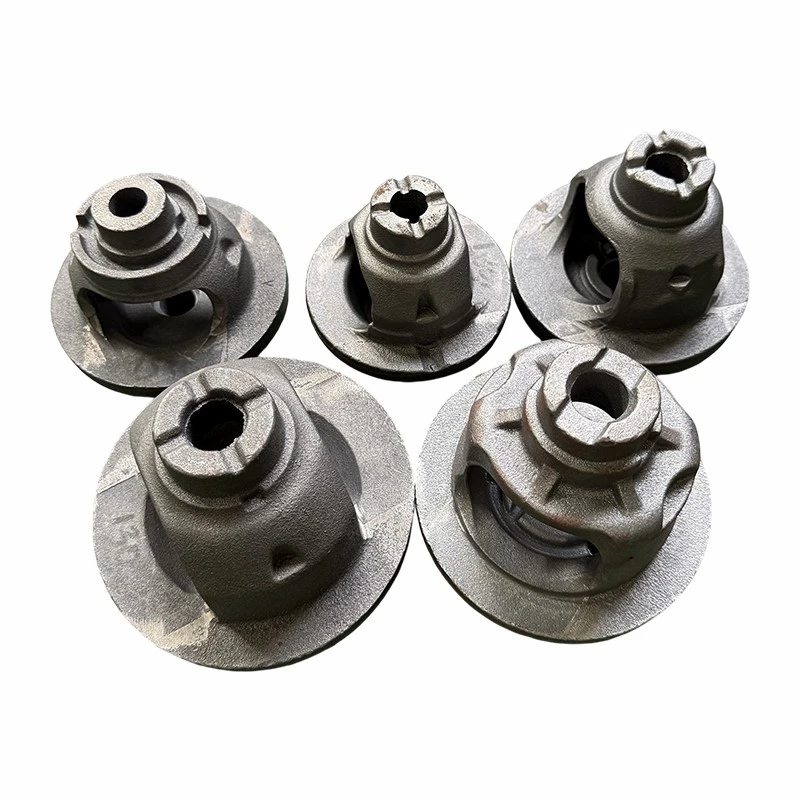
The Automotive Differential Housing forms the structural enclosure for the differential mechanism within a vehicle's drivetrain. It provides space and mounting support for internal gears, bearings, and related drive components while helping maintain their specified positions during operation. The housing must accommodate the required internal clearances, bearing locations, fastening points, and mating surfaces. Its structural rigidity and dimensional accuracy are important to gear alignment, assembly consistency, and the reliable operation of the drivetrain.
Sangroove (Jiangsu) Machinery Co., Ltd. manufactures automotive differential housing castings for different vehicle and drive axle applications. Production can be developed around customer drawings, selected material grades, component weight, and machining requirements. Listed material options include QT500, QT600, and QT700 ductile iron, as well as ZG310-570 and ZG355-500 cast steel grades. The final material should be selected according to the component design and the mechanical requirements specified for the application.
Depending on housing geometry and production needs, green sand casting or shell mold casting may be used to form the main body. Subsequent operations can include stress-relief heat treatment when specified, CNC machining of bearing seats and mating interfaces, and surface protection. Inspection requirements may cover chemical composition, hardness, metallographic structure, critical dimensions, and UT/MT testing where applicable. Customers can provide 2D drawings or 3D CAD files to define the housing structure, machining allowances, sealing interfaces, and acceptance criteria before production.

Manufacturing Process
Housing Drawing Assessment: Review the internal structure, bearing locations, fastening points, and mating surfaces.
Tooling and Pattern Development: Prepare casting tooling according to the approved housing geometry.
Casting Process Selection: Use green sand or shell mold casting based on component design and production requirements.
Melt Chemistry Control: Check metal composition against the specified material grade.
Stress-Relief Heat Treatment: Apply when required by the approved manufacturing specification.
CNC Machining: Process bearing seats, mounting faces, joint surfaces, and other drawing-defined features.
Surface Protection: Provide E-coating, anti-rust coating, or phosphating according to project requirements.
Casting and Machining Inspection: Verify applicable material properties and critical dimensions; conduct UT/MT testing when specified in the inspection plan.
Technical Specifications
| Specification | Details |
|---|---|
| Product Name | Automotive Differential Housing |
| Base Materials | QT500 / QT600 / QT700 Ductile Iron |
| Optional Materials | ZG310-570, ZG355-500 Cast Steel and High-Strength Alloy Steel |
| Casting Processes | Green Sand Casting / Shell Mold Casting |
| Component Weight | 3–150 kg |
| Dimensional Accuracy | CT8–CT10 |
| Surface Treatment | E-Coating, Anti-Rust Coating, Phosphating |
| Inspection Methods | Spectrometer Analysis, Metallographic Analysis, Hardness Testing, CMM Inspection, UT/MT Testing |
| Applications | Passenger Cars, SUVs, Pickup Trucks, Commercial Vehicles, New Energy Vehicles |
Product Advantages
Housing Geometry for Differential Assemblies: Casting design can accommodate the internal space and mounting features required by the specified drivetrain layout.
Material Choices for Different Load Requirements: Multiple listed ductile iron grades and cast steel options support project-specific material evaluation.
Machining of Bearing and Mating Features: Critical interfaces can be processed according to the approved engineering drawing.
Dimensional Verification of Assembly Points: Inspection can focus on specified bearing locations, mounting faces, and joint surfaces.
Project-Specific Surface Protection: Coating options can be selected according to the component's operating environment and customer requirements.
Customer Benefits
Better Internal Component Positioning: Drawing-based machining supports the specified locations of bearings and related drivetrain components.
More Consistent Housing Assembly: Defined dimensional requirements help manage the fit between the housing and its mating parts.
Manufacturing Based on Component Requirements: Casting, heat treatment, machining, and finishing can be planned around the individual housing design.
Clear Inspection Criteria: Material and dimensional checks can be established before production begins.
Coordinated Production for OEM Projects: Multiple manufacturing stages can be organized under an agreed project scope and delivery plan.

Why Choose Sangroove
Experience in Structural and Drivetrain Castings
More than 40 years of casting experience supporting automotive and industrial component manufacturing.
Coordinated Production Capabilities
Tooling development, casting, stress-relief heat treatment, CNC machining, and surface treatment can be coordinated according to project requirements.
Inspection Resources for Casting Projects
Listed equipment includes an OBLF spectrometer and Hexagon CMM, alongside additional inspection methods that can be specified according to the component and quality plan.
Quality Management Certifications
Sangroove lists IATF 16949 and ISO 9001, ISO 14001, ISO 45001, ISO 10012, and ISO 50001 certifications. Applicable certification scope can be confirmed during supplier qualification.
Drawing-Based OEM Support
Housing geometry, material selection, machining requirements, and inspection criteria can be reviewed against customer drawings before production planning.
Applications
Passenger Vehicle Differential Assemblies
SUV and Off-Road Vehicle Drivetrain Systems
New Energy Vehicle Drive Axle Systems
Light and Heavy Commercial Vehicle Drivetrains
Construction Equipment Drive Axles
Agricultural Machinery Transmission Systems
FAQ
Q: Q1: What is an automotive differential housing used for?
A: An automotive differential housing encloses and supports the differential mechanism and its related components. It provides the structural space and mounting features required for assembly within the drivetrain.
Q: Q2: What materials are available for differential housing castings?
A: The listed ductile iron options are QT500, QT600, and QT700. ZG310-570 and ZG355-500 cast steel, along with high-strength alloy steel, are also listed as options. Material selection should follow the approved component specification.
Q: Q3: Which casting processes can be used?
A: Green sand casting and shell mold casting are listed for this product. The appropriate method depends on housing geometry, material requirements, and the production plan.
Q: Q4: Can you manufacture differential housings from customer drawings?
A: Yes. Customers can provide 2D drawings or 3D CAD models for review. Material grade, internal geometry, machining allowances, mating surfaces, and inspection criteria can then be defined for the project.
Q: Q5: Which areas may require CNC machining?
A: Depending on the housing design, machining may be required for bearing seats, mounting faces, joint surfaces, and other features that determine the position and fit of internal or adjoining components.
Q: Q6: Is stress-relief heat treatment available?
A: Stress-relief heat treatment is listed in the manufacturing process. Whether it is required for a particular housing depends on the approved material and manufacturing specification.
Q: Q7: What inspection methods are available?
A: The listed methods include spectrometer analysis, metallographic analysis, hardness testing, CMM inspection, and UT/MT testing. The final inspection plan should reflect the customer's drawings and agreed acceptance criteria.
Q: Q8: What information is needed for a differential housing quotation?
A: Please provide the component drawing or 3D model, material specification, estimated order quantity, machining requirements, surface treatment, and inspection standards. These details help determine the proposed manufacturing process and quotation scope.
Hot Tags: automotive differential housing, China automotive differential housing manufacturers, suppliers, factory, AC Compressor Internal Parts, Automotive AC Compressor Swing Arm, control stay rod, gear selector drum, grouting connector, Thrust rod


